Fotona 4D Laser Facial (TimeWalker) Encino, CA: Everything You Need to Know
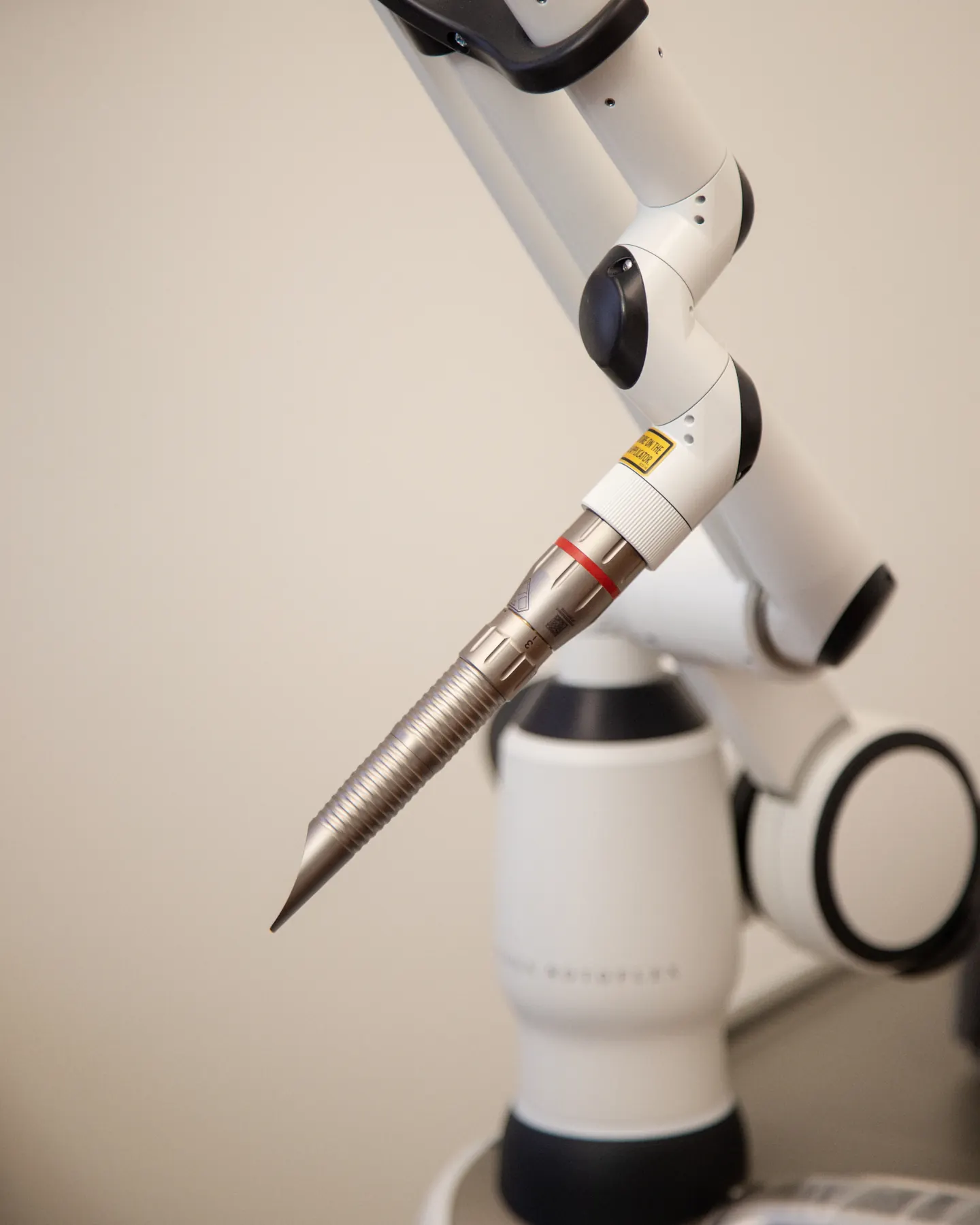
The appeal of the Fotona 4D Laser Facial is easy to understand once you know what it actually does. Most people are not looking for a dramatic, overfilled, visibly altered result. They want skin that looks tighter, smoother, fresher, and better rested. They want the lower face to look a little more defined, the texture to look more polished, and the overall complexion to catch light the way it used to. In Encino, where patients often want refinement without obvious downtime, the Fotona 4D Laser Facial, sometimes referred to through the TimeWalker platform, has become a frequent point of conversation for exactly that reason.
This treatment sits in an interesting lane. It is not a surgical lift, and it should never be sold that way. It is also more comprehensive than a basic lunchtime facial. It uses laser energy in a sequence designed to address tissue from the inside and outside, working on tone, texture, and mild to moderate laxity. For the right patient, that combination can be very satisfying.
If you have been researching Fotona 4D Laser Facial (TimeWalker) Encino, CA, the most useful approach is to move past the marketing language and focus on the practical questions. What is it treating? How does it feel? How much downtime should you expect? Who tends to love it, and who walks away underwhelmed? Those details matter far more than glossy before-and-after photos.
What the Fotona 4D treatment actually is
Fotona 4D is a multi-step laser treatment that typically combines different modes of erbium and Nd:YAG laser technology in one session. The idea is not to rely on a single pass or a single tissue depth. Instead, the treatment targets the skin and supporting structures in layers, including inside the mouth along the cheek area, across the skin surface, and in deeper heating passes intended to stimulate remodeling.
That “inside-out” component is one reason the treatment stands apart from a standard resurfacing session. The intraoral step, often described as a smooth mode used inside the mouth, aims to heat tissue in the cheek and perioral region without breaking the surface of the skin. It sounds unusual at first, but in practice it is one of the defining features of the treatment. Patients often notice that this step contributes to a subtle tightening effect around the nasolabial folds and lower face over time.
The external stages usually combine heating, tightening, and polishing. Some providers adapt the settings based on skin tone, degree of sun damage, textural concerns, acne scarring, or how aggressive the patient wants to be. That flexibility is part of the appeal, but it also means the experience can vary from office to office. “Fotona 4D” is not one identical treatment performed the exact same way everywhere. Device, protocol, and provider judgment all shape the final result.
Why patients in Encino ask for it
Encino is not a market where people usually ask for one-dimensional skin treatments. Patients often come in with layered concerns. They may want a little tightening in the jowls, less crepiness near the mouth, smaller-looking pores around the cheeks, and an overall brighter finish. They may also want to avoid a long recovery window because they work on camera, attend social events regularly, or simply do not want to hide out for a week.
That is where Fotona 4D fits well. It can be appropriate for people who are not ready for surgery, do not want injectables to do all the heavy lifting, or have reached the point where facials and peels are no longer enough. A common profile is the patient in their late 30s to early 60s who says, “My face looks tired and a little heavier, but I still look like myself.” Another common profile is the patient who has taken good care of their skin, already uses sunscreen and prescription skincare, and wants a stronger in-office treatment without committing to deep ablative resurfacing.
Encino’s climate and lifestyle matter, too. Sun exposure in Southern California contributes to pigment, uneven texture, and collagen breakdown. Even diligent sunscreen users often accumulate years of incidental sun damage from driving, walking, tennis, hiking, or just living here. Treatments that improve texture while nudging collagen production can be especially relevant in that setting.
The four dimensions, in plain English
Different practices may describe the steps a little differently, but the classic concept behind Fotona 4D involves four treatment modes that complement each other. If you want the shortest practical explanation, it looks like this:
- An intraoral tightening step heats tissue inside the mouth to target the cheek and perioral area.
- A deeper external heating pass works on collagen stimulation and mild skin tightening.
- A fractional or more targeted step addresses texture, imperfections, and superficial irregularities.
- A light polishing pass refines the surface and adds brightness.
Patients do not always feel these steps as four sharply separate events. In the treatment room, it tends to feel more like a sequence of changing sensations, some warm and some pricklier, depending on the settings. The purpose of the sequence is to stack subtle improvements that add up to a more noticeable overall effect.
What it can improve, and what it cannot
The best outcomes come from matching the treatment to the problem. Fotona 4D can be useful for early to moderate signs of aging, especially when the concern is not one isolated wrinkle but a general softening of the face. That includes mild laxity, fine lines, textural roughness, enlarged pores, and a dull or crepey quality to the skin. Around the mouth and lower face, some patients appreciate the gradual tightening effect. Across the cheeks, many notice a smoother, more reflective skin surface.
It is less impressive when a patient really needs structural correction. Deep jowling, significant neck laxity, heavy lower-face descent, or substantial excess skin will not be meaningfully erased by laser alone. The same goes for etched-in folds that are caused by volume loss or anatomy rather than skin quality. A laser can improve the canvas, but it does not replace a facelift, and it does not act like filler in a hollow temple or a deeply deflated midface.
This is one of the biggest disconnects in cosmetic medicine. Patients often come in asking for tighter skin when the more prominent issue is volume loss, muscle movement, or facial descent. A careful consultation matters because a good provider will tell you when Fotona 4D is the right answer, when it should be part of a broader plan, and when it is unlikely to justify the investment.
The treatment experience, step by step
Most appointments begin with photography, cleansing, and a review of the day’s protocol. Some offices apply a topical numbing cream, especially if stronger resurfacing settings are planned. Others may skip or minimize numbing for certain steps because the treatment is generally tolerable and because some patients find the heat easier to gauge without heavy numbing.
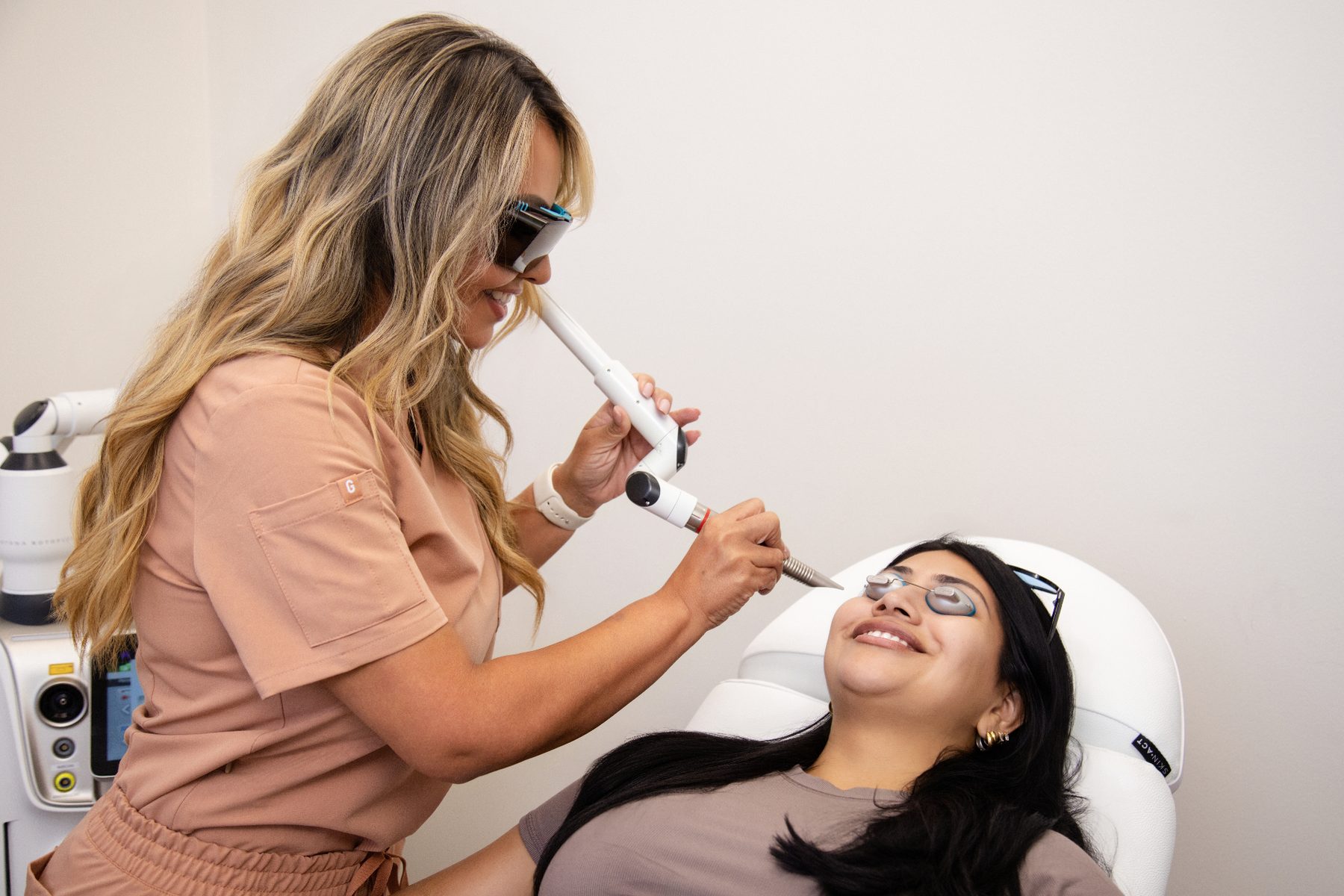
During the intraoral portion, the provider uses a handpiece inside the mouth along the cheeks and around the lip area. Patients often describe this step as strange rather than painful. It feels warm and controlled. If you have sensitive gums or a strong gag reflex, it is worth mentioning beforehand. A skilled operator can usually make small adjustments in pace and positioning that improve comfort significantly.
The external passes feel different. Fotona 4D Laser Facial (TimeWalker) Encino, CA The deeper heating stage can create a hot, snapping sensation, somewhat similar to other tightening lasers but often more tolerable than people expect. The more superficial textural step may feel pricklier and can leave the skin flushed afterward. The final polishing or light resurfacing pass is often the point at which patients start to look visibly pink.
Treatment time varies, but a full-face session commonly runs somewhere around 45 minutes to a little over an hour, depending on whether the neck is included and how customized the settings are. In experienced hands, it moves efficiently. In less experienced hands, the same device can feel disjointed, rushed, or overly aggressive.
How much downtime is realistic
This is where expectations need to be specific. “Minimal downtime” is true for some versions of the treatment, but it is not a universal truth. A gentler session may leave you pink for a day with a dry, sandpapery feel for another day or two. A stronger session, particularly if more resurfacing is done, can mean redness, swelling, and visible roughness for several days. Makeup may be possible sooner in some cases, but not always comfortably on day one.
In practice, many patients do best when they plan for at least a few lower-key days after treatment, even if they end up recovering faster. That is especially true before major events. I would never recommend booking a first Fotona 4D treatment right before a wedding, reunion, or on-camera appearance. Skin can look excellent once the initial redness and texture settle, but the immediate recovery is too variable to gamble on a tight deadline.
Sun avoidance is also non-negotiable after treatment. Southern California patients sometimes underestimate how much incidental sun they get just running errands. Freshly treated skin is less forgiving. Shade, hats, and diligent sunscreen use make a difference.
When results show up, and how long they last
A small immediate glow is common, especially once the early redness resolves. Some patients also notice a mild “tighter” feeling in the first week or two. The more meaningful changes tend to build gradually over several weeks to months as collagen remodeling unfolds. Skin often looks smoother first, then firmer and a bit more compact later.
How long the result lasts depends on age, baseline skin quality, lifestyle, sun exposure, smoking history, skincare, and whether the treatment is done as a single session or a series. Many practices recommend a series at the start, followed by maintenance sessions. That advice is not always a sales tactic. With non-surgical rejuvenation, stacking treatments often produces a more visible and more durable effect than expecting one visit to do everything.
That said, maintenance only makes sense if the first treatment was well indicated and competently performed. If a patient needed a different modality from the start, repeating the wrong treatment three times rarely fixes the mismatch.
Who tends to be happiest with Fotona 4D
The most satisfied patients usually share a few traits. They want improvement, not transformation. They understand that skin tightening from lasers is real but modest compared with surgery. They value better texture and radiance as part of the result, not just “lift.” They are also willing to follow aftercare and maintain their skin rather than treating the procedure as a one-time reset.
Patients who often do well include the following:
- People with early jowling or mild lower-face laxity who are not ready for surgery.
- Patients bothered by rough texture, enlarged pores, or a tired-looking skin surface.
- Those seeking a treatment that can address multiple concerns in one session.
- Patients who prefer gradual, natural-looking change over an abrupt shift.
- People already committed to sunscreen and skincare, who want an in-office upgrade.
Those who may be less satisfied include anyone expecting a facelift effect, patients with substantial skin laxity, and patients whose main issue is deep volume loss rather than skin quality.
How it compares with other treatments patients often consider
Comparisons get tricky because aesthetic treatments overlap without being interchangeable. Fotona 4D often gets compared with microneedling radiofrequency, ultrasound tightening, fractional lasers, and broad “laser facial” offerings. Each has strengths, but the best choice depends on your actual concern.
If your main issue is texture, acne scarring, or fine lines, a resurfacing-focused treatment may sometimes outperform a multi-step tightening facial. If your issue is moderate tissue descent, energy-based tightening might help, but surgery remains the benchmark. If your issue is redness or pigment, you may need a different laser entirely, or a combination plan.
The advantage of Fotona 4D is its range. It can cover a lot of ground in one appointment. The trade-off is that because it is trying to improve several dimensions at once, it may not be the single strongest tool for one very specific concern. That is not a flaw. It just means the treatment shines most when your goals are blended rather than narrow.
A practical example helps here. Imagine one patient with mild laxity around the mouth, enlarged pores on the cheeks, and a generally dull skin finish. Fotona 4D makes a lot of sense. Imagine another patient with deep acne scars and minimal laxity. That person may be happier with a more scar-directed plan. A third patient with heavy jowls and loose neck skin may need a frank surgical consultation more than another device treatment.
Skin tone, safety, and provider judgment
Laser discussions should always include skin tone and risk assessment. Not every patient is treated the same way, and not every setting is appropriate for every complexion. The Fotona platform can be versatile, but safety depends on correct parameters, accurate diagnosis, and a provider who understands how to minimize the risk of post-inflammatory hyperpigmentation, prolonged redness, or over-treatment.
This is where online shopping for the cheapest session becomes risky. With lasers, the machine matters, but the operator matters more. Good providers do not just own the device. They understand tissue response, adjust for skin type, and know when to pull back. They also recognize when another treatment would be safer or more effective.
If you have a history of melasma, reactive pigmentation, cold sores, delayed healing, recent isotretinoin use, autoimmune skin disease, or a tendency toward abnormal scarring, that should be part of the pre-treatment conversation. None of those automatically rules the treatment out, but they change planning.
The cost question in Encino
Pricing for Fotona 4D Laser Facial (TimeWalker) Encino, CA can vary widely based on the provider’s experience, the exact protocol, whether the neck is included, and whether you are booking one session or a package. Some offices position it as a premium rejuvenation treatment, and that is reflected in the fee. Others offer lighter versions at a lower price point.
What matters more than the sticker number is what is actually included. A lower quoted price may refer to a shorter or less comprehensive treatment. A higher quote may include a more customized protocol, post-treatment skincare, or a provider with substantial laser expertise. The cheapest option is not always the best value if the treatment is watered down or poorly matched to your goals.
Patients are often better served by asking, “What exactly are you planning to treat, how aggressive will the session be, and what kind of downtime should I expect?” That conversation tells you far more than a menu price does.
Aftercare that makes a real difference
Recovery is usually straightforward, but the details matter. Skin that has just been heated and resurfaced responds better when patients keep things simple and disciplined for several days. The basics are not glamorous, but they work:
- Use a gentle cleanser and a bland moisturizer until the skin barrier feels calm again.
- Avoid retinoids, acids, scrubs, and active exfoliants until your provider says they are safe to restart.
- Protect the skin from sun exposure with mineral sunscreen, hats, and common sense.
- Skip intense heat, heavy workouts, and steam for the early recovery window if advised.
- Do not pick at rough texture or flaking skin, even if it feels tempting.
Patients who ignore aftercare often create problems that the laser did not. Irritation, prolonged redness, and pigment issues frequently begin with overdoing products too soon.
Questions worth asking at your consultation
A productive consultation should feel specific, not generic. You want to know whether the provider sees your concerns the same way you do. If you say “I want lifting,” and the provider responds by talking only about glow and pores, that is a useful signal. If they explain that you have a mix of mild laxity and textural issues, and that the treatment can help both but not erase structural descent, that is the kind of honesty you want.
Ask how often they perform Fotona 4D, who will actually do the treatment, what the typical downtime looks like in their hands, and whether they have treated patients with your skin type and concerns. Ask what result they realistically expect after one session, and whether they think a series is necessary. You should also ask what they would recommend if you were their family member, because it often cuts through menu-driven upselling.
The bottom line for patients considering Fotona 4D in Encino
For the right candidate, this can be a genuinely useful treatment. It is especially appealing for patients who want a fresher, tighter, smoother look without surgery and who understand the power and the limits of energy-based rejuvenation. It can improve the quality of the skin in a way that photographs nicely but often looks even better in person, where texture, tone, and facial movement tell the fuller story.
The best outcomes usually come from a careful match between patient and protocol. If your concerns are mild to moderate laxity, textural aging, and a generally tired skin surface, the Fotona 4D Laser Facial can be a smart option. If your concerns are more structural, a reputable provider should tell you that plainly. That honesty is part of good aesthetics.
In Encino, where natural-looking rejuvenation is usually the goal, Fotona 4D occupies a practical middle ground. It is more serious than a superficial facial, less drastic than surgery, and most rewarding when it is used with judgment. If you are considering Fotona 4D Laser Facial (TimeWalker) Encino, CA, the single best next step is not chasing the most dramatic marketing claim. It is booking a consultation with someone who can evaluate your face, your skin, and your expectations with precision. That is what turns a promising device into a treatment worth doing.
OMNIA Wellness Center
16430 Ventura Blvd Ste 207, Encino, CA 91436
Phone: +1 818-386-8511
FAQ About Fotona 4D Laser Facial (TimeWalker) Encino, CA
What is a Fotona laser good for?
Fotona lasers support several different aesthetic protocols. The Fotona 4D facial uses two wavelengths and four treatment modes to address concerns such as fine lines, skin texture, and mild laxity. OMNIA Wellness Center offers the TimeWalker facial with an individual consultation. Suitability and likely improvement depend on the person's skin and goals; results are not guaranteed, and this treatment does not reproduce a surgical facelift.
How much does a Fotona laser treatment cost?
The cost depends on the treatment protocol, areas treated, number of sessions, and provider's assessment. Ask OMNIA Wellness Center for a current written quote that explains what is included, whether follow-up is included, and any proposed package terms. An individualized estimate is more useful than assuming that one advertised price applies to every facial treatment.
How much downtime is there after a Fotona laser procedure?
Recovery varies with the specific protocol and intensity. Fotona describes its 4D facial as having little to no downtime, but temporary redness or sensitivity can occur, and a stronger surface treatment can require more recovery. Ask the treating clinician what to expect from the planned settings, how to care for the skin afterward, and when to contact the clinic with concerns.