Fotona 4D Laser Facial (TimeWalker) Encino, CA: Treatment Insights for New Patients
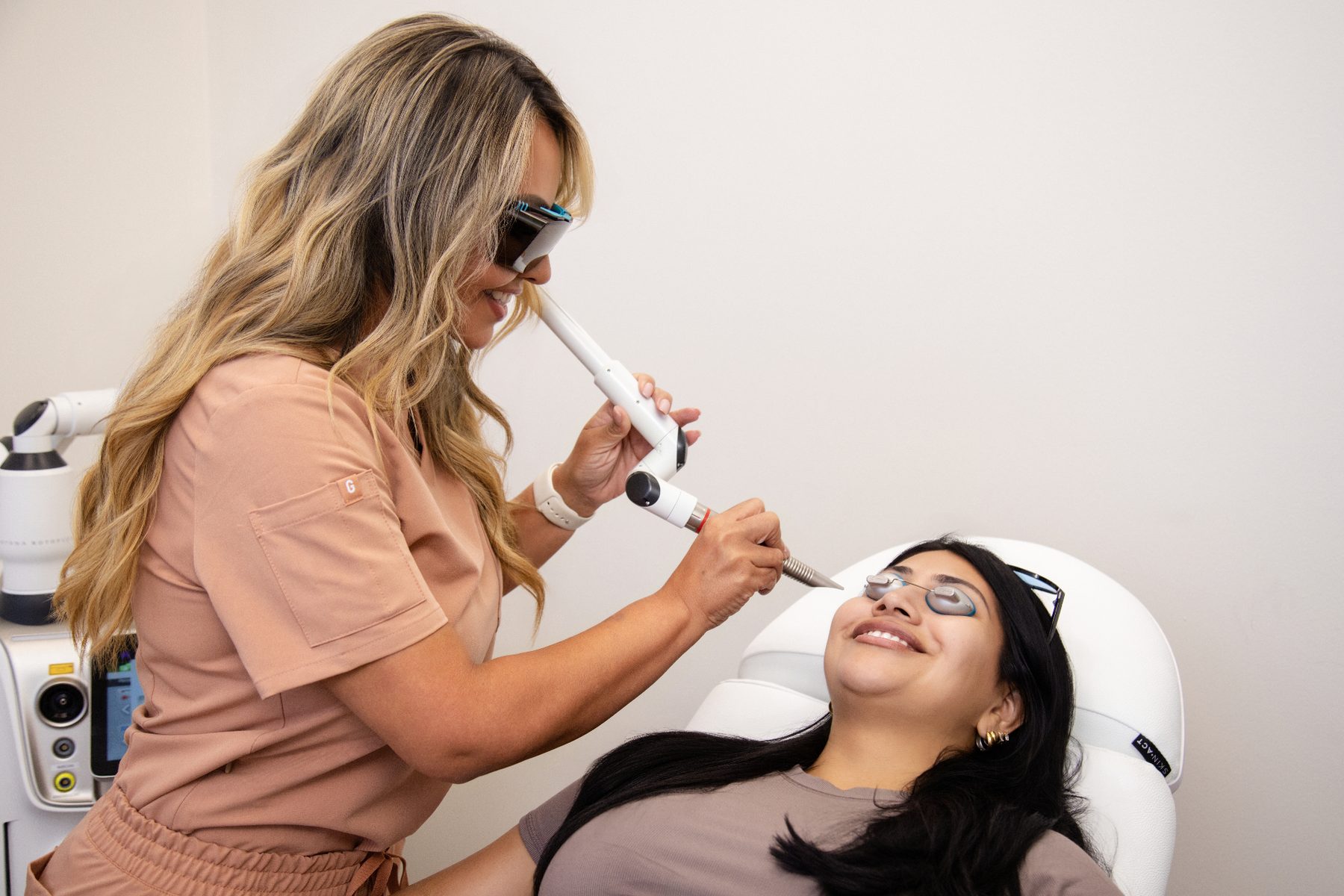
Patients usually arrive with the same broad question: does this treatment actually make a visible difference, or is it another polished med spa phrase that sounds more dramatic than the result? That is a fair concern. The name alone, Fotona 4D Laser Facial, especially when paired with TimeWalker branding, can make the treatment sound futuristic in a way that obscures what matters most to a new patient. What does it do, how does it feel, who tends to benefit, and what should someone in Encino realistically expect?
The useful answer starts with a simple point. This is a multi step laser treatment designed to improve skin quality and support collagen remodeling by working at different depths and from different angles, including inside the mouth in many protocols. That last detail is the part that surprises first time patients. The treatment is not just about polishing the skin surface. It is often structured to address texture, laxity, fine lines, and overall skin tone through a sequence of laser modes rather than a single pass with a single goal.
For patients considering a Fotona 4D Laser Facial (TimeWalker) Encino, CA, the real value lies in proper expectations. This is not a facelift substitute, and it should not be sold that way. It can, however, be a very useful option for someone who wants visible rejuvenation without surgical downtime and without the “overfilled” look some patients are actively trying to avoid.
What “4D” actually means in practice
The term “4D” refers to a layered treatment concept. Different laser settings are used in sequence to target tissue at different depths. Clinics may customize the exact protocol based on skin type, age, texture concerns, and tolerance, but the broad idea is consistent: stimulate collagen, improve skin surface quality, and create a tightening effect through staged energy delivery.
One portion often treats the inside of the mouth, especially along the cheeks and around the perioral area. That intraoral step is intended to heat tissue in a way that supports tightening from within. Another portion targets deeper dermal layers externally. A lighter resurfacing pass may then help with texture and brightness. Depending on the device configuration and provider’s approach, there may also be a finishing component aimed at refining superficial imperfections.
Patients tend to understand the treatment more clearly when it is framed this way: not as one laser doing one job, but as several coordinated passes designed to create a cumulative effect. That is why some people see it as more substantial than a standard “lunchtime facial,” even though downtime is often manageable.
Why patients in Encino often ask about it
Encino has no shortage of aesthetic options. Patients here are comparison shoppers by necessity, and they often arrive already familiar with microneedling, IPL, Fraxel, Clear + Brilliant, RF microneedling, peels, neurotoxin, and filler. The reason Fotona 4D enters the conversation is that it occupies a useful middle ground.
It is attractive to people who want more than a mild glow treatment but do not want the recovery associated with an aggressive ablative procedure. It also appeals to patients who are noticing early skin laxity, softening around the jawline, vertical lip lines, or crepey texture under the eyes and around the mouth. These are common concerns in patients who look healthy and youthful overall but feel their skin no longer reflects how rested they are.
For many busy professionals, parents, and public facing workers in the San Fernando Valley, downtime matters almost as much as efficacy. A treatment that produces redness and mild swelling for a short window is easier to fit into life than one that requires a week of social disappearance. That does not mean no recovery at all. It means the recovery is usually more acceptable to patients with normal schedules.
What the treatment feels like
The most honest description is that the treatment is tolerable for most patients, but comfort depends heavily on the settings used, the provider’s technique, and your own pain threshold. The intraoral portion feels unusual more than painful for many people. There is warmth, pressure, and a strange awareness of the handpiece moving along the inside of the cheeks. The external tightening steps often feel hot in short bursts. The lighter resurfacing portion may create a prickly or snapping sensation.
Topical numbing is commonly used for the external face, depending on the treatment intensity. Some practices also use cooling measures, Zimmer style cold air, or breaks between passes. Patients who have had RF microneedling often describe Fotona 4D as different rather than directly worse or easier. RF microneedling tends to feel deeper and sharper. Laser passes can feel hotter and more diffuse.
After treatment, the skin often looks flushed, and there may be mild swelling, especially in more sensitive areas. Some patients feel as if they have a sunburn for a day or two. If the protocol includes a stronger superficial component, there can be dryness or a sandpapery texture during the healing period.
The best candidates tend to have a specific goal
Not every laser is for every patient, and this treatment works best when the goal matches what the technology does well. A patient hoping to erase severe skin laxity, heavy jowling, or very deep etched lines in one session is likely to be disappointed. A patient looking for firmer looking skin, smoother texture, softening around the mouth, and an overall fresher appearance is usually in a better lane.
Good candidates often include:
- Patients with mild to moderate laxity who want a non surgical option
- People with early textural aging, fine lines, and dullness
- Patients who prefer collagen stimulation over added facial volume
- Those seeking improvement with limited downtime
- Individuals willing to do a series if needed rather than expecting one treatment to do everything
That last point matters. Some of the most satisfied patients are the ones who understand that collagen based treatments are cumulative. Skin remodeling is a biological process, not a one day makeover.
What results are realistic
Providers sometimes describe the outcome in broad language like “lifting” and “rejuvenation.” Those terms are not wrong, but they are vague enough to invite disappointment if not translated into real world expectations.
A realistic result often looks like this: the skin appears tighter, more rested, smoother, and a bit more reflective. Makeup may sit better. The mouth area can look less crinkled. The lower face may feel a touch firmer. Some patients notice that their face photographs more cleanly because texture and uneven light reflection improve. Friends may comment that they look refreshed without being able to identify why.
Results do not usually look dramatic overnight. There may be an initial plumping effect from post treatment swelling, followed by a settling phase, then gradual improvement over weeks as collagen remodeling unfolds. Some people see enough after one treatment to feel encouraged, but many benefit most from a series spaced according to provider guidance.
This is also where provider honesty matters. If the main issue is pigment, visible vessels, acne scarring, or pronounced sagging, another device or a combined plan may be more effective. Fotona 4D is strong in the category of overall rejuvenation, but it is not automatically the best standalone answer for every complaint.
How it compares with other common treatments
Patients in Encino often narrow their options by asking whether this is “better than” microneedling, RF microneedling, or fractional resurfacing. That comparison is understandable, but the answer is usually more nuanced than a simple ranking.
Microneedling is often chosen for texture support and collagen stimulation with relatively modest downtime. It can be a good entry point, especially for younger patients or those with mild concerns. Fotona 4D may feel like a step up for someone who wants more tightening and a broader anti aging effect.
RF microneedling is often selected for acne scars, laxity, and texture. It can be very effective, though comfort and downtime vary widely by device and settings. Patients with more significant textural concerns or scarring may lean toward RF microneedling, while those interested in a smoother rejuvenation treatment without needles may prefer laser based options.
Fractional resurfacing, particularly stronger ablative approaches, can produce more dramatic textural change but often at the cost of more downtime and stricter aftercare. For some patients, that tradeoff is worth it. For others, it is a nonstarter. Fotona 4D often fits patients who want a meaningful treatment while staying short of full resurfacing recovery.
Injectables sit in another category. Neurotoxin treats muscle movement. Filler restores or adds volume. Neither directly improves skin texture in the way laser can. In practice, many patients get the best result from thoughtful combination treatment rather than choosing only one modality.
Skin tone, safety, and why consultation matters
One of the biggest mistakes in aesthetics is assuming that any popular treatment is universally appropriate. Skin tone, melasma history, sensitivity, active acne, rosacea tendency, recent sun exposure, medications, and scar history all matter. A consultation should cover these details carefully, not as paperwork theater but as part of actual risk assessment.
Darker skin tones can often be treated safely with the right settings and an experienced provider, but that does not mean all protocols are interchangeable. The risk of post inflammatory hyperpigmentation must be taken seriously. Patients with melasma also need careful planning because heat based treatments can sometimes aggravate pigment in susceptible skin.
This is where expertise is visible. A strong provider adjusts intensity, sequence, and frequency based on the patient in front of them. They do not force every face through the same branded package. If your consultation feels overly scripted, or if no one asks about past reactions to lasers, heat, or pigment changes, take that as useful information.
What a good consultation should cover
A proper consultation for Fotona 4D Laser Facial (TimeWalker) Encino, CA should not feel rushed. At minimum, the provider should examine your skin in good lighting, discuss your goals in specific terms, review your history, and explain what this treatment can and cannot do for your face.
A useful conversation usually includes whether your main issue is laxity, lines, texture, redness, pigment, acne scarring, or volume loss. Those are not interchangeable categories. Two patients can both ask for “rejuvenation” and need completely different plans. One may benefit from Fotona 4D. The other may need vascular treatment, pigment management, filler, or surgical referral.
Photos are also important. Patients often see their faces every day and miss gradual changes. Good before photos help ground the process and make follow up evaluation more honest.
The days before treatment
Preparation is not glamorous, but it affects outcomes. Skin that is irritated, recently sun exposed, or over treated with actives tends to behave badly after laser. I have seen patients show up after a week of acids, retinoids, and “just one little peel” at home, then wonder why their face feels more reactive than expected.
A few practical pre treatment points make a difference:
- Avoid active sunburn or recent heavy sun exposure
- Pause irritating topicals if your provider recommends it, often including retinoids and acids
- Arrive with clean skin and disclose any recent procedures
- Mention cold sore history if the mouth area is being treated
- Plan your calendar so you are not attending a major event the next day
That last point is worth emphasizing. Even when downtime is called minimal, “minimal” does not always mean camera ready the next morning.
What recovery usually looks like
Most patients can return to routine activities fairly quickly, but skin may look flushed for a day or two. Some swelling, warmth, and mild tenderness are common early on. If a superficial polishing component was included, dryness and roughness may follow as the skin renews itself. Makeup timing depends on the protocol and provider instructions, but many patients resume it soon after if the skin is calm.
The most common recovery mistake is doing too much. Patients often want to exfoliate away rough texture or pile on actives to “speed healing.” That is usually counterproductive. Gentle cleansing, bland hydration, sun protection, and patience tend to produce a smoother recovery than complicated product layering.
Sun exposure after treatment is another issue, especially in Southern California where even casual daily exposure adds up. Healing skin and direct UV are a poor combination. If you are diligent with nothing else, be diligent with sunscreen and shade.
When the treatment shines, and when it does not
In my experience, this category of treatment shines in patients who want to look like themselves on a good month, not like a different person after a dramatic intervention. The gain is often in refinement. The skin reads healthier. The face appears more toned. Fine lines soften. There is less visual fatigue.
It is less satisfying for patients who use strong transformational language during consultation, words like “erase,” “remove,” or “lift everything.” That does not mean they are bad candidates as people. It means the desired endpoint may not match the tool.
Age is not the deciding factor here. I have seen younger patients in their thirties appreciate it for prevention and texture support, while some patients in their fifties or sixties like it as part of a maintenance plan after more structural work has been done. The better predictor is whether the patient values progressive collagen stimulation and subtle to moderate improvement.
Questions worth asking before you book
A lot of patient regret can be avoided by asking direct questions. Not hostile questions, just clear ones. Ask who performs the treatment, how often they use this device, whether your skin tone changes the plan, how many sessions they think you may need, what downtime they expect for your particular settings, and what they would recommend instead if this were not the best option.
Also ask what part of your concern this treatment will address most. If the provider cannot answer that specifically, you may not be getting a tailored recommendation. A strong answer sounds something like, “This should help the crepey texture and perioral lines more Fotona 4D Laser Facial (TimeWalker) Encino, CA omniawellnesscenterencino.com than your under eye hollowness,” or, “It will improve skin quality, but your jawline laxity may still need another modality.” Precision is reassuring because it reflects judgment.
Cost, value, and how to think about pricing
Prices vary widely by market, provider experience, treatment intensity, and whether the plan includes a series. Encino is a sophisticated aesthetic market, so costs may reflect both local demand and practitioner expertise. The cheapest offer is not necessarily the best value if settings are conservative to the point of under treatment, or if the provider lacks depth with the device.
Value comes from matching the treatment to the patient, performing it skillfully, and spacing sessions appropriately. Patients often focus on cost per session when the more relevant metric is cost per meaningful result. One well planned treatment from a knowledgeable provider can be worth more than a bargain package that never quite gets the skin where it needs to go.
That said, no laser should be sold as a miracle. If you are presented with flawless before and after language, or guaranteed “non surgical facelift” claims, take a step back. Good aesthetic medicine is persuasive because it is credible, not because it is exaggerated.
Combining Fotona 4D with other treatments
One of the more practical uses of Fotona 4D is as part of a broader skin strategy. Skin aging is not a single problem. There is movement, volume change, collagen loss, surface roughness, pigment irregularity, and vascular change, sometimes all at once. A patient may do better with neurotoxin for dynamic lines, selective filler for volume balance, and a laser plan for texture and tightening.
Timing matters. Some treatments pair well when staged properly. Others should be separated. That is another reason a treatment plan should come from someone who understands full face aesthetics rather than pushing one machine for every concern.
For a patient in Encino considering Fotona 4D Laser Facial (TimeWalker) Encino, CA, the strongest approach is usually not to ask, “Is this the best laser?” The better question is, “Is this the right treatment for the problem I want solved right now?” When the answer is yes, the treatment can be a very satisfying middle path, more substantive than a superficial facial, less disruptive than aggressive resurfacing, and capable of delivering exactly what many patients want: a fresher face that still looks entirely like their own.
OMNIA Wellness Center
16430 Ventura Blvd Ste 207, Encino, CA 91436
Phone: +1 818-386-8511
FAQ About Fotona 4D Laser Facial (TimeWalker) Encino, CA
What is a Fotona laser good for?
Fotona lasers support several different aesthetic protocols. The Fotona 4D facial uses two wavelengths and four treatment modes to address concerns such as fine lines, skin texture, and mild laxity. OMNIA Wellness Center offers the TimeWalker facial with an individual consultation. Suitability and likely improvement depend on the person's skin and goals; results are not guaranteed, and this treatment does not reproduce a surgical facelift.
How much does a Fotona laser treatment cost?
The cost depends on the treatment protocol, areas treated, number of sessions, and provider's assessment. Ask OMNIA Wellness Center for a current written quote that explains what is included, whether follow-up is included, and any proposed package terms. An individualized estimate is more useful than assuming that one advertised price applies to every facial treatment.
How much downtime is there after a Fotona laser procedure?
Recovery varies with the specific protocol and intensity. Fotona describes its 4D facial as having little to no downtime, but temporary redness or sensitivity can occur, and a stronger surface treatment can require more recovery. Ask the treating clinician what to expect from the planned settings, how to care for the skin afterward, and when to contact the clinic with concerns.