Why Fotona 4D Laser Facial (TimeWalker) Is a Go-To Option in Encino, CA
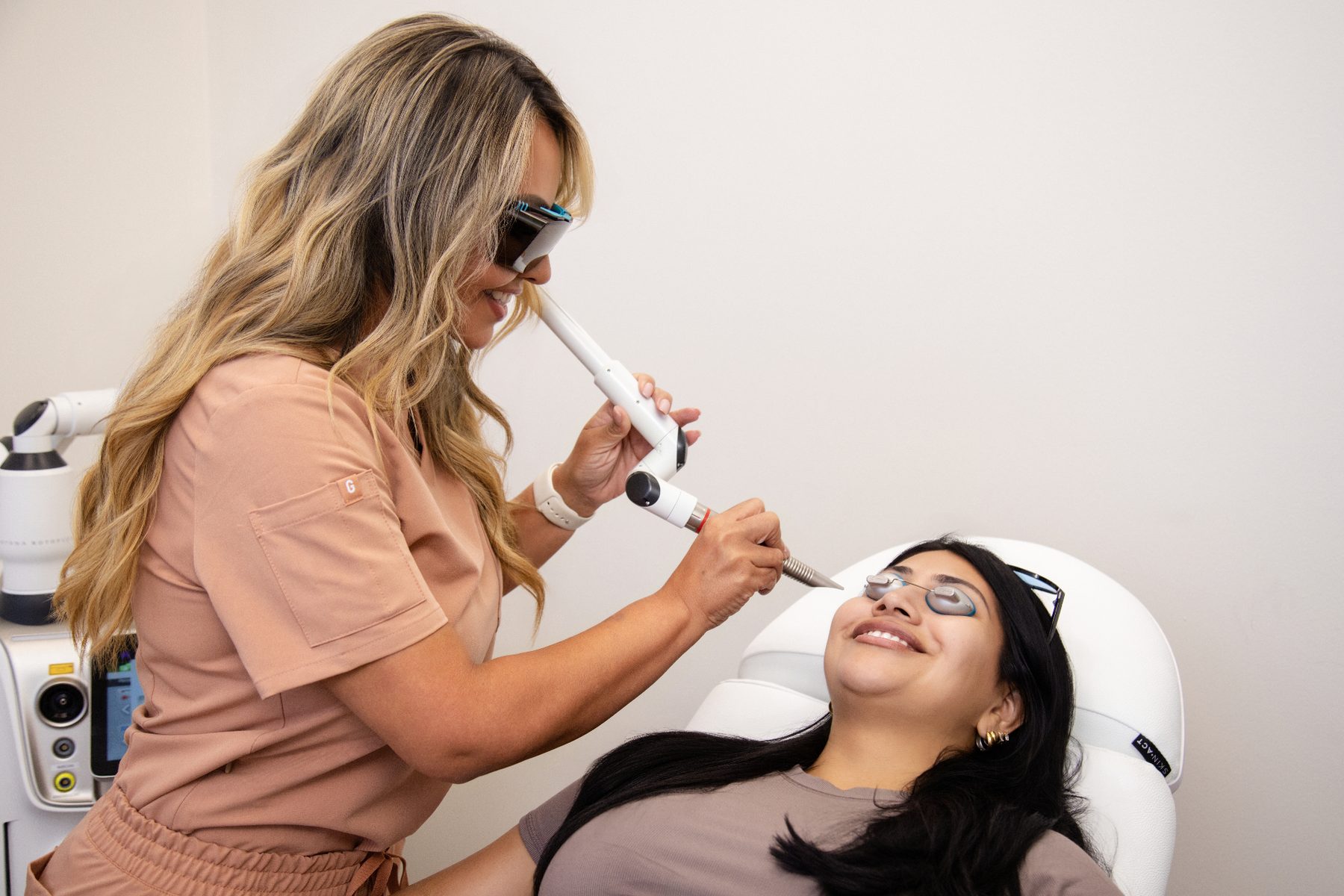
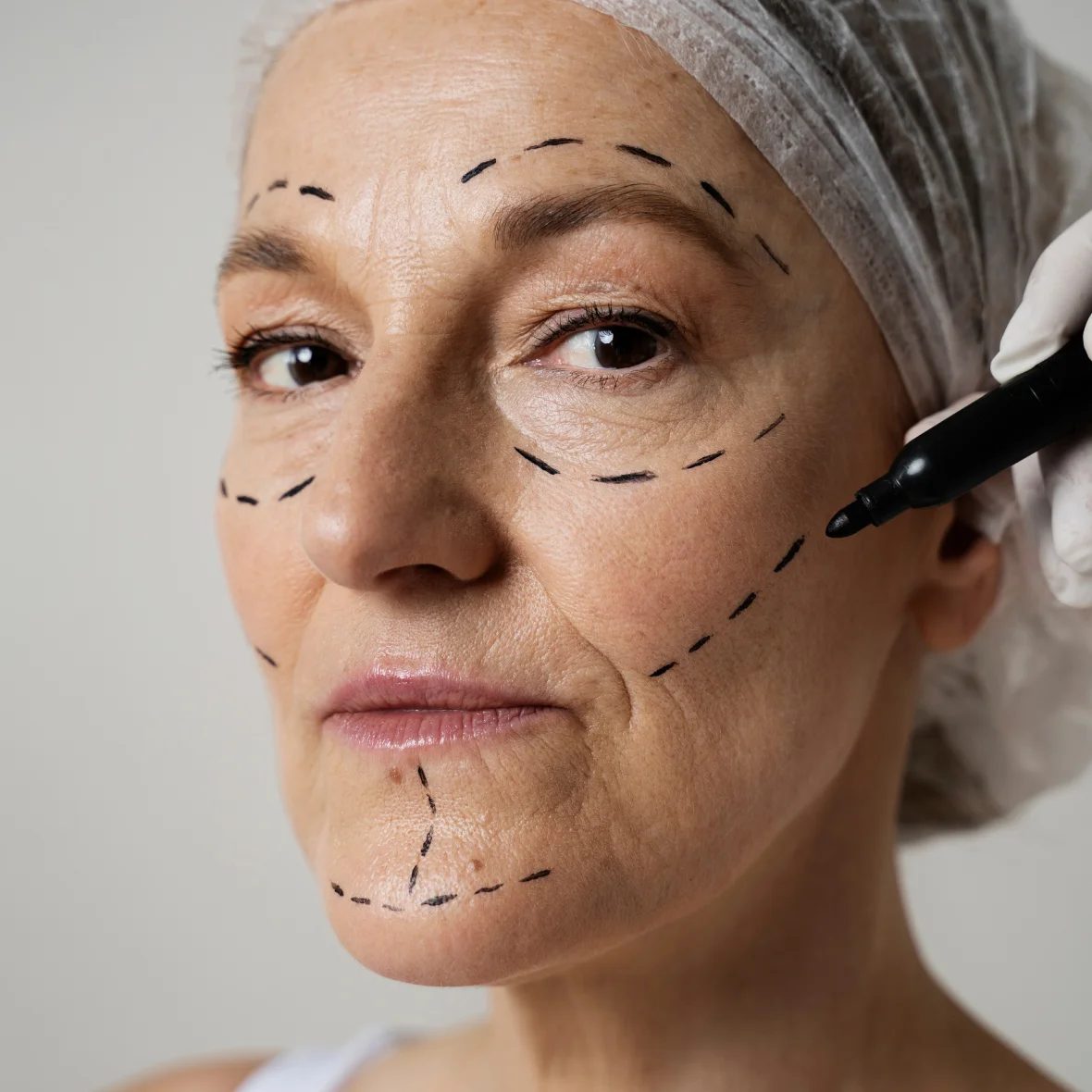
There is a reason certain aesthetic treatments quietly become staples in practices with demanding patients. They do not simply trend well on social media. They solve a real problem, they fit into busy lives, and they offer visible improvement without asking people to disappear for weeks. That is exactly why the Fotona 4D Laser Facial, often associated with the TimeWalker platform, has become such a strong option in Encino.
Patients in Encino tend to be informed, selective, and realistic. They want fresher skin, sharper contour, and a more rested look, but many are not looking for the commitment, cost, or downtime of surgery. They also do not want a treatment that leaves them polished for a week and back to baseline by the next month. They want a middle path that feels worth it. In experienced hands, Fotona 4D often lands in that sweet spot.
What makes this treatment especially interesting is that it is not trying to do just one thing. A lot of devices are very good at one target, pigment, texture, redness, or laxity. Fotona 4D approaches facial rejuvenation from several angles in one plan. It works on tone, texture, collagen support, and subtle tightening, including treatment from inside the mouth along the cheek and lip area. That combination is part of what gives it staying power.
What the treatment actually is
The name can sound more futuristic than it needs to. At its core, Fotona 4D is a multi step laser rejuvenation treatment designed to address different layers of the skin and soft tissue. Depending on the provider and the exact TimeWalker configuration, the treatment commonly combines distinct modes that work superficially and deeper in the tissue. One of the signature features is the intraoral component, where the laser is used inside the mouth to stimulate collagen and support the area around the nasolabial folds, upper lip, and midface.
That matters because aging does not happen on the surface alone. Fine lines and dullness are easy to spot, but there is also gradual thinning of support structures, softening around the mouth, and a loss of that firm, springy quality people associate with youthful skin. A superficial peel or light facial can brighten the skin, but it will not address much of that deeper change. Fotona 4D aims to bridge that gap without crossing into surgical territory.
The TimeWalker name is often used for a newer generation of Fotona systems that bring these treatment modes together with updated protocols and interface design. Patients usually do not need to memorize the engineering behind it. What they care about is simpler: Will it help me look less tired, more lifted, and more refined without a long recovery? For the right patient, it often can.
Why it resonates in Encino
Encino is not a market where one size fits all. People here span every age group and every level of cosmetic interest, from first time patients who have never had anything beyond facials to seasoned aesthetic patients who know the difference between temporary swelling and true collagen remodeling. That environment tends to reward treatments that are versatile and credible.
A treatment like Fotona 4D fits the local lifestyle well for a few reasons. First, many people want improvement that is noticeable but not obvious. They still need to work, meet clients, attend school events, or be seen around town without looking like they just had a procedure. Second, sun exposure is a real part of life in Southern California, which means skin often shows a mix of textural wear, dehydration, mild pigment concerns, and collagen loss. Third, patients often prefer options that can be layered into a broader maintenance plan rather than dramatic interventions that force an all or nothing decision.
This is where the phrase Fotona 4D Laser Facial (TimeWalker) Encino, CA makes practical sense, not just SEO sense. It reflects a local demand for treatments that can tighten mildly lax skin, refresh the complexion, and support collagen with manageable downtime. In offices that see a lot of professionals, parents, and camera aware patients, it is easy to understand why this treatment earns repeat interest.
The appeal of doing more than one job at once
One of the common frustrations in aesthetics is needing separate treatments for every concern. A patient may have rough texture, etched lines around the mouth, early jowling, and a generally tired tone. If each issue requires a separate series on a separate calendar, treatment fatigue sets in fast. Time, cost, and patience all run out.
Fotona 4D stands out because it is designed as a layered treatment. The provider can address superficial quality and deeper support in the same session. For many patients, that means one appointment is doing more meaningful work than a simple lunchtime facial. It does not replace every other category of treatment, and it should not be sold that way. It will not mimic a deep surgical lift. It may not be the first choice for dense brown spots or significant vascular redness. But it can create a more complete rejuvenation effect than a single focus laser.
That fuller effect matters because patients do not look at their faces in components. They do not say, “My epidermal texture improved by 18 percent.” They say, “I look better rested,” or “My makeup sits better,” or “People stopped asking if I was tired.” Treatments that deliver that kind of global improvement tend to become go to options.
What results usually look like in real life
The most satisfied patients are often not the ones chasing dramatic overnight change. They are the ones who understand the rhythm of collagen based treatments. Some people notice an early glow and mild tightening within days to a couple of weeks, partly from tissue response and smoother skin. The more meaningful change tends to develop gradually over the following weeks and months as collagen remodeling unfolds.
In practice, the result is often described as refinement rather than reinvention. Skin can look firmer, pores less obvious, fine lines softer, and the mouth and lower face a little more supported. The upper lip area can improve in a way that matters for patients bothered by lipstick lines. The cheeks may look a touch more lifted. Makeup often applies more evenly. Photos can start to look kinder under unflattering light, which is not a small thing.
The best outcomes usually come from a series rather than a single session. Depending on the person’s age, skin condition, and goals, a provider may suggest multiple treatments spaced over several weeks. Maintenance also matters. That is not a flaw in the treatment. It is simply how non surgical collagen stimulation works. Skin keeps aging, sun keeps existing, and habits still matter.
Who tends to be a good candidate
Not every patient needs the same level of treatment, and not every concern is a match. In my experience, Fotona 4D tends to make the most sense for people who fall into a fairly recognizable set of goals.
- Patients with early to moderate skin laxity who want a non surgical option
- People noticing perioral lines, nasolabial softening, or loss of firmness around the lower face
- Those who want improvement in texture and tone along with tightening, not just one or the other
- Busy adults who can manage mild downtime but cannot step away for an extended recovery
- Patients willing to commit to a series and realistic maintenance
On the other hand, someone with very advanced skin laxity may be happier with a surgical consultation. A person whose primary issue is melasma or significant pigment may need a different strategy altogether. A careful assessment matters because the best treatment plan is rarely built around a single device.
The intraoral step is more important than most people expect
If there is one feature that sets this treatment apart in patients’ minds once they understand it, it is the intraoral component. Treating from inside the mouth sounds unusual at first, but anatomically it makes sense. The mouth area ages in a layered way. Skin thins, collagen declines, and support around the upper lip and smile lines weakens. Reaching tissue from the inside allows the provider to deliver energy where external treatment alone has limits.
Patients often ask whether this part is painful. Comfort varies, but most people tolerate it well with topical numbing and a well paced treatment approach. The sensation is usually described as heat rather than sharp pain. The benefit is that the provider can target one of the most frustrating aging zones on the face, the area where people start seeing lipstick bleed, smoker’s lines even if they never smoked, and deeper folds that make the face look more fatigued.
That ability to work the perioral area without injectables alone is one reason many patients in Encino find the treatment appealing. It can also pair well with injectables when appropriate, but it does not depend on them to create value.
Downtime, discomfort, and the trade offs patients should know
A good treatment earns trust when the trade offs are explained plainly. Fotona 4D is appealing partly because downtime is usually modest compared with more aggressive resurfacing or surgery. That does not mean it is a no event appointment. Skin may look pink or flushed afterward. Some people feel warmth, tightness, or mild swelling for a day or two. Depending on the settings used, there may be a sandpapery texture for a short period as the skin turns over.
Most patients can return to normal activity quickly, but “normal” should still include sun protection, gentle skincare, and a little common sense. Scheduling the treatment right before a major event is not ideal unless your provider specifically feels your protocol allows that. I usually think it is smarter to leave breathing room, because even mild downtime feels less mild when there is pressure to look perfect in 48 hours.
There are also important limits to understand. This is not a substitute for surgery when tissue descent is significant. It is not the strongest option for every pigment issue. And while it can produce impressive improvement, maintenance is part of the deal. Patients who understand those boundaries are far more likely to feel pleased with the outcome.
Why provider technique matters more than the device name alone
The aesthetics industry loves a device headline, but two patients can receive the same branded treatment and have very different experiences depending on who is holding the handpiece. Laser settings, treatment pattern, patient selection, skin preparation, and judgment all influence the result.
A strong provider does more than recite the protocol. They adjust treatment intensity based on skin type, age, degree of laxity, sensitivity, and concurrent treatments. They know when to be conservative and when a patient is undertreated. They also know what the laser cannot fix and when to suggest alternatives or combination care.
That is especially relevant in a place like Encino, where patients often come in with a history of previous lasers, fillers, radiofrequency treatments, peels, or prescription skincare. Skin does not arrive as a blank canvas. It arrives with context. An experienced clinician reads that context and builds a plan instead of forcing every patient through the same template.
If you are researching Fotona 4D Laser Facial (TimeWalker) Encino, CA, it is worth paying close attention to the consultation. A thoughtful consultation usually tells you more than the before and after gallery. Are they asking about your history of melasma, cold sores, or recent tanning? Are they explaining what improvement is realistic in your case? Are they discussing timing, series, and maintenance in plain language? Those details matter.
How it compares with other common options
Patients often try to place Fotona 4D into a familiar category. Is it like microneedling? Like a peel? Like a tightening treatment? The honest answer is that it shares overlap with several categories while remaining its own thing.
Compared with a standard facial, it is a completely different level of treatment. The goals are structural, not just cosmetic surface refreshment. Compared with microneedling, it often offers a different kind of tightening support and can address the perioral and intraoral dimensions in ways microneedling does not. Compared with ablative resurfacing, it is generally more tolerable from a downtime standpoint, though often less dramatic in a single session. Compared with injectables, it is not filling space or relaxing muscle. It is asking the tissue to improve itself over time.
That distinction is useful because many patients do best with combination care. Someone may use neuromodulators for dynamic forehead lines, filler sparingly where true volume loss exists, medical skincare for pigment and barrier support, and Fotona 4D for texture plus collagen stimulation. The point is not to crown one treatment as the answer to everything. The point is to choose the right tool for the right problem.
What a typical appointment feels like
Patients are often less anxious once they know what the day actually looks like. In a well run office, the visit usually starts with photos, skin cleansing, and topical numbing if the protocol calls for it. The treatment itself is performed in stages, with the provider moving through the planned modes in a specific sequence. The intraoral portion is usually brief but memorable because it is unfamiliar. The external passes vary in sensation, from warmth to snapping or prickling depending on the mode and settings.
A full appointment can take longer than patients expect, especially if numbing time is included. That is not a bad sign. It usually means the office is allowing enough time to do the treatment carefully. Afterward, skin may appear flushed and feel warm, somewhat like a stronger post workout heat. Some patients leave looking only mildly pink, while others show more redness for a day. Makeup timing and skincare instructions should be individualized.
The practical upside is that recovery generally fits real life. People can often resume work, errands, and family obligations quickly. For Encino patients juggling packed schedules, that convenience is part of the draw.
Smart aftercare makes a visible difference
The period after treatment is not glamorous, but it matters. Good aftercare protects the investment and reduces the chance of irritation.
- Use a gentle cleanser and bland moisturizer until the skin feels settled
- Avoid direct sun exposure and be disciplined about broad spectrum sunscreen
- Hold off on harsh actives such as retinoids, strong acids, or exfoliating scrubs until cleared
- Skip intense heat exposures such as saunas or very strenuous workouts for the immediate recovery window if your provider advises it
- Follow your office’s instructions exactly, especially if you are prone to sensitivity or cold sores
These basics sound simple because they are, but they are often the difference between a smooth recovery and an avoidable setback.
Why repeat patients keep coming back to it
A treatment becomes a go to option when it fits into long term care without becoming a burden. Fotona 4D has that quality. It can be introduced when someone first starts noticing Fotona 4D Laser Facial (TimeWalker) Encino, CA change, and it can remain useful later as part of maintenance. Patients like treatments they can understand. They like seeing a freshening of the whole face rather than a hyper specific tweak that only they can appreciate. They also like avoiding the frozen, overfilled, or overtreated look that can happen when every problem is chased with volume or intensity.
There is also a psychological advantage to collagen based treatments. The result tends to read as your face on a better day, not your face after “something.” For many patients in Encino, that is exactly the point. They want to look healthy, rested, and current, not altered.
That subtlety should not be underestimated. In a culture where aesthetic work is common, the most elegant results are often the least theatrical. A treatment that improves skin quality, supports the mouth area, and firms the face in a measured way earns loyalty because it respects that principle.
The bottom line for Encino patients
When a treatment keeps coming up in serious aesthetic conversations, it is usually because it fills a real need. Fotona 4D does. It offers a thoughtful middle ground between surface only refreshment and more invasive intervention. It can address multiple visible signs of aging in one plan. It suits patients who want meaningful improvement with manageable downtime. And when performed by an experienced provider, it tends to create the kind of change that looks believable in daylight, in conversation, and in photos.
For anyone considering a Fotona 4D Laser Facial (TimeWalker) Encino, CA option, the smartest next step is not chasing the cheapest special or the flashiest marketing. It is finding a provider who understands facial aging, knows how to customize laser settings, and is honest about whether this treatment fits your goals. Done well, it is easy to see why it has become a favorite in Encino. It meets patients where they are, and it delivers the kind of refinement many people are actually looking for.
OMNIA Wellness Center
16430 Ventura Blvd Ste 207, Encino, CA 91436
Phone: +1 818-386-8511
FAQ About Fotona 4D Laser Facial (TimeWalker) Encino, CA
What is a Fotona laser good for?
Fotona lasers support several different aesthetic protocols. The Fotona 4D facial uses two wavelengths and four treatment modes to address concerns such as fine lines, skin texture, and mild laxity. OMNIA Wellness Center offers the TimeWalker facial with an individual consultation. Suitability and likely improvement depend on the person's skin and goals; results are not guaranteed, and this treatment does not reproduce a surgical facelift.
How much does a Fotona laser treatment cost?
The cost depends on the treatment protocol, areas treated, number of sessions, and provider's assessment. Ask OMNIA Wellness Center for a current written quote that explains what is included, whether follow-up is included, and any proposed package terms. An individualized estimate is more useful than assuming that one advertised price applies to every facial treatment.
How much downtime is there after a Fotona laser procedure?
Recovery varies with the specific protocol and intensity. Fotona describes its 4D facial as having little to no downtime, but temporary redness or sensitivity can occur, and a stronger surface treatment can require more recovery. Ask the treating clinician what to expect from the planned settings, how to care for the skin afterward, and when to contact the clinic with concerns.