Why TimeWalker Fotona 4D Laser Facial Stands Out in Encino, CA
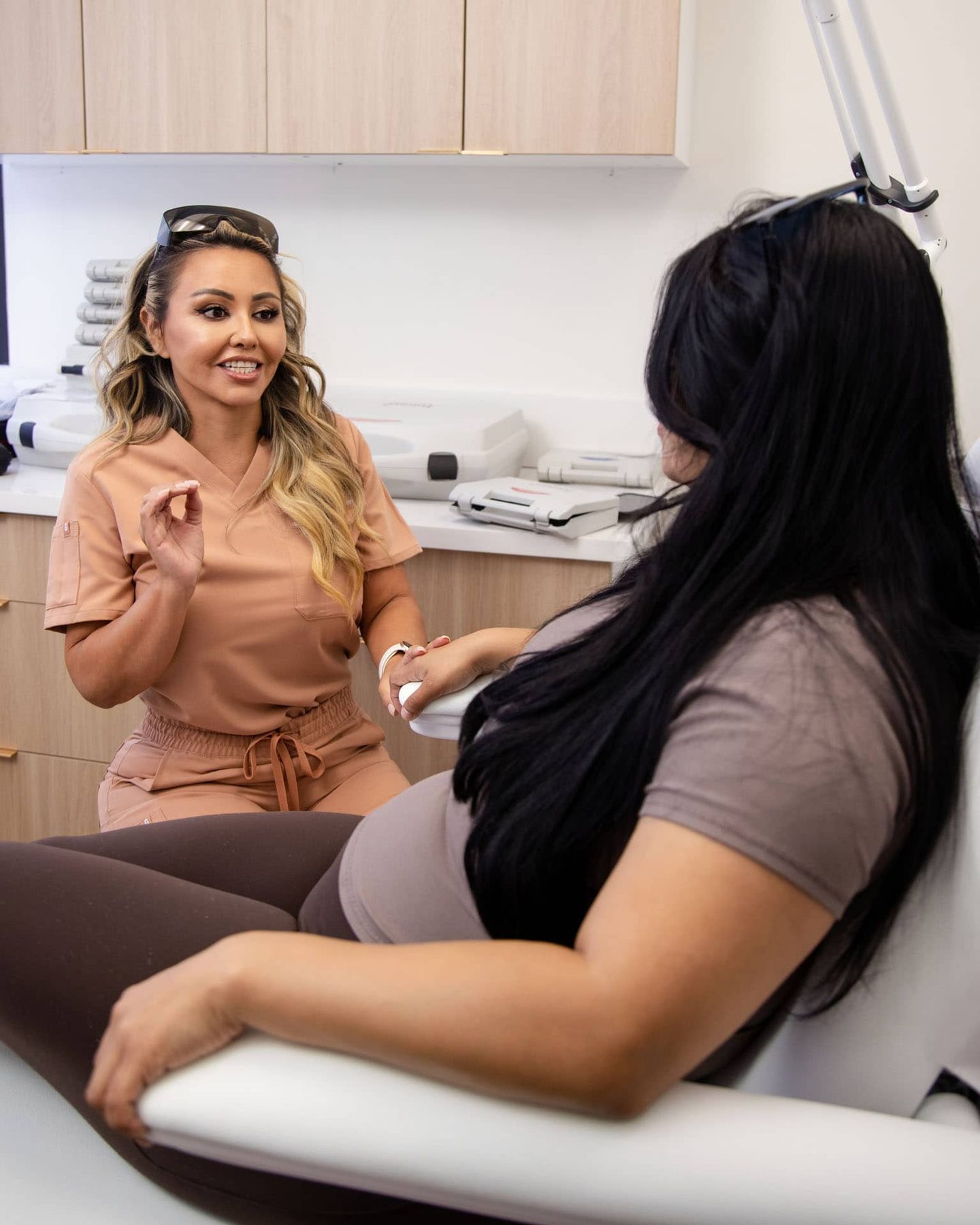
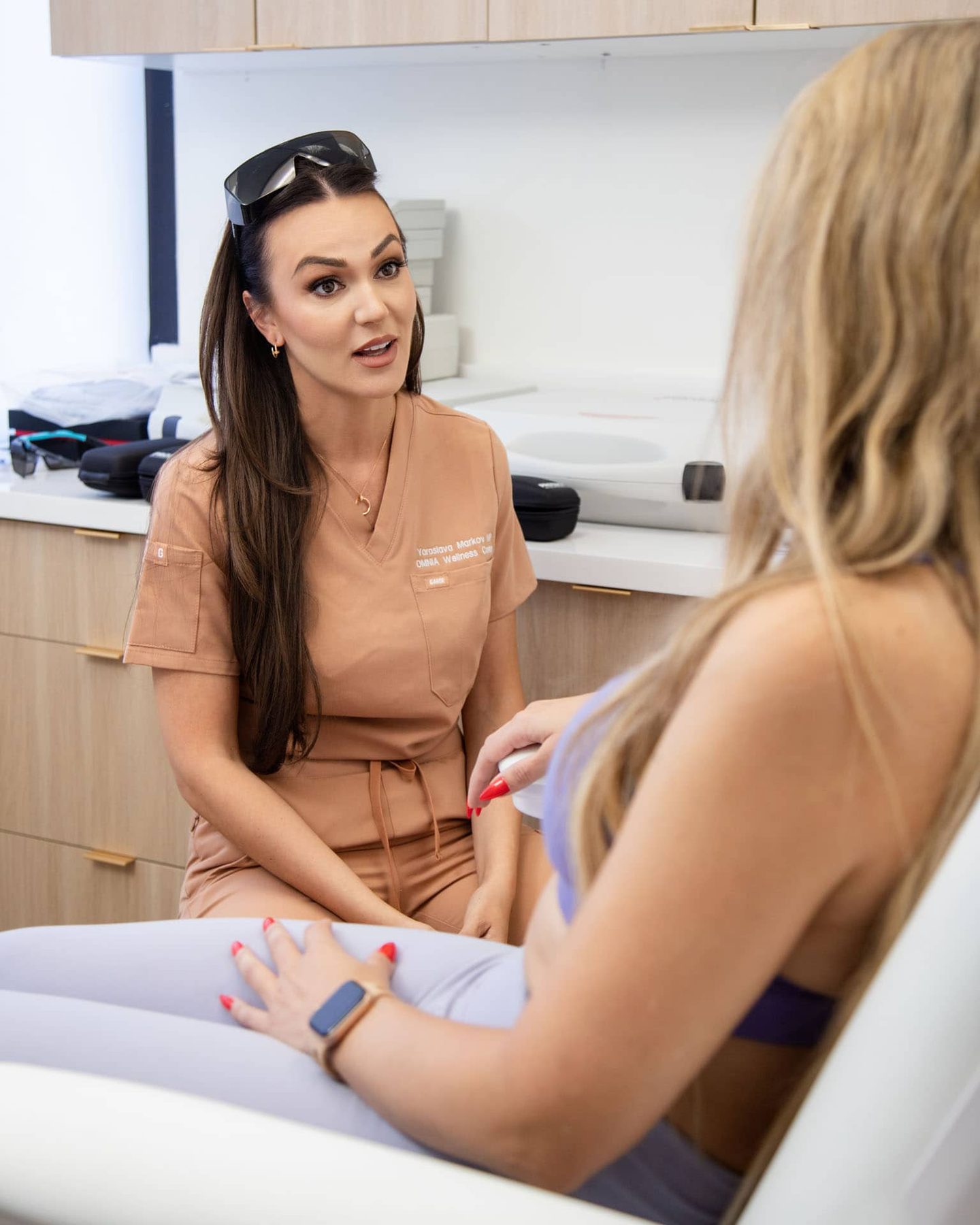
Encino has no shortage of aesthetic treatments. Patients here are informed, selective, and often balancing two competing goals at once: they want visible improvement, but they do not want to look like they had something obvious done. That tension explains why the TimeWalker Fotona 4D approach has earned real attention. It sits in a useful middle ground, more comprehensive than a basic facial, less disruptive than surgery, and more nuanced than many single-mode laser treatments.
What makes it stand out is not one dramatic trick. It is the structure of the treatment itself. Fotona 4D uses several laser modes in a planned sequence, treating deeper tissue, surface texture, and the delicate areas around the mouth and jawline in one session plan. In practice, that means the treatment is designed to stimulate collagen, improve skin quality, and create a firmer look without relying on fillers alone or demanding a long recovery period.
For patients considering a Fotona 4D Laser Facial (TimeWalker) Encino, CA, the real question is not whether the name sounds impressive. The real question is whether the treatment delivers something meaningfully different from the many rejuvenation options already available. In experienced hands, it often does.
Why people in Encino gravitate toward treatments with range
Encino patients tend to come in with layered concerns rather than a single isolated issue. They are not only focused on one forehead line or one patch of pigmentation. More often, they describe a broader shift. Their skin feels thinner than it used to. Makeup settles differently. The lower face looks less defined in photos. The area around the mouth seems tired, even if they are sleeping well and taking care of themselves.
That is where a multi-dimensional treatment has an advantage. A single superficial resurfacing session may brighten the skin, but it may not address laxity. A tightening treatment may help contour, but leave texture and fine lines mostly unchanged. Injectable treatments can be effective, but they do not improve all aspects of skin quality and, when overused, can create a look some patients specifically want to avoid.
TimeWalker Fotona 4D is appealing because it is built to handle several variables together. The treatment is not trying to replace everything else in aesthetics. It is trying to bridge the gap between maintenance facials and more aggressive procedures. In a place like Encino, where people want polished results that still read as natural, that matters.
What TimeWalker Fotona 4D actually is
A lot of confusion around laser facials comes from terminology. Some treatments marketed as “laser facials” are essentially light refreshers. Others are true resurfacing procedures with substantial downtime. Fotona 4D is different from both.
The platform uses Er:YAG and Nd:YAG laser wavelengths in a sequence that can target both internal and external tissue. One of the most distinctive aspects is the intraoral component, which means part of the treatment is performed inside the mouth to stimulate collagen and support tissue in the perioral region. That alone makes it stand apart from treatments that only work from the skin surface.
The “4D” concept refers to four treatment dimensions or modes, each chosen to address a different layer or concern. Depending on the patient and the protocol, the treatment can improve skin texture, mild to moderate laxity, fine lines, and overall radiance. It is often used on the face, and sometimes extended to the neck when that fits the treatment plan.
This is not a spa facial with a laser label attached. It is a physician-directed or provider-directed laser protocol that depends heavily on settings, sequencing, tissue response, and patient selection.
The reason the treatment feels more comprehensive than many alternatives
Patients often notice the difference in how the face looks as a whole. That happens because Fotona 4D is not fixated on one metric. It is not solely a pigment treatment. It is not solely a tightening treatment. It combines collagen stimulation with textural refinement in a way that can create a more complete refresh.
A common pattern is this: someone has decent skin overall, but they are starting to see softening in the jawline, vertical lip lines, crepiness under makeup, and a mild loss of vitality. None of those issues alone justifies surgery. Yet together, they create that “I look more tired than I feel” effect. In those cases, a treatment that addresses depth and surface in one coordinated session often makes more sense than chasing each concern separately.
There is also a practical benefit. When treatments are stacked intelligently, patients can sometimes avoid the stop-start feeling of trying one isolated service after another, never quite getting a cohesive result. That can save time, and in some cases, it can make the overall plan more cost-effective than serially testing less effective options.
The inside-out approach is not marketing fluff
One feature that consistently catches patients’ attention is the SmoothLiftin component, the intraoral step that targets tissue from inside the mouth. People are often surprised that this exists at all. Once it is explained clearly, many understand why it can be valuable.
The lower face and perioral region are notoriously difficult to treat well. Fine Fotona 4D Laser Facial (TimeWalker) Encino, CA omniawellnesscenterencino.com lines around the mouth, softening in the nasolabial area, and subtle loss of support do not always respond dramatically to topical products or basic facials. Fillers can help in selected patients, but not everyone wants more volume, and not every issue is a volume problem.
Treating from the inside allows energy delivery to support collagen remodeling in tissue that contributes to the look of the outer skin. It is one of those ideas that sounds unusual until you see why it was designed that way. In practice, it can help soften the etched, deflated look that often shows up first around the mouth, especially in patients who are expressive, have a history of sun exposure, or are simply noticing age-related collagen decline.
That does not mean one session erases years of change. It means the treatment can address an area that many devices either ignore or approach less effectively.
Why downtime matters more than many clinics admit
One of the reasons TimeWalker Fotona 4D stands out in Encino is simple: people have schedules. School runs, meetings, social events, filming, client-facing work, and daily visibility all influence treatment decisions. A procedure can be highly effective, but if recovery is too disruptive, many patients will delay it indefinitely.
Fotona 4D is attractive because it often offers a favorable balance between visible improvement and manageable downtime. Recovery varies by settings, skin sensitivity, and whether lighter or more aggressive resurfacing parameters are used, but many patients can return to normal routines relatively quickly compared with deeper ablative procedures.
That said, “minimal downtime” is one of the most abused phrases in aesthetics. Some people will look mildly flushed for a day or two. Others may have swelling, dryness, or roughness for longer. Patients with reactive skin can take a bit more time to settle. The point is not that downtime disappears. The point is that for the level of rejuvenation it can provide, the recovery is often acceptable to busy adults who cannot hide out for two weeks.
That trade-off is a big deal in real life. The best treatment on paper is not always the best treatment for someone who needs to look presentable at a fundraising event in three days.
Skill matters more than the device brochure
There is a tendency in aesthetics to speak as though buying a well-known laser platform automatically ensures a great outcome. Anyone with clinical experience knows that is not how this works. The platform matters, but judgment matters more.
Proper candidacy is the first filter. Not every patient is ideal for every version of the treatment. Degree of laxity, texture concerns, sun exposure history, skin tone, active acne, melasma tendencies, recent isotretinoin use, and tolerance for downtime all affect planning. So does simple anatomy. A thin, angular face with early crepiness may benefit from one style of treatment plan, while a fuller face with different concerns may need another approach.
Settings also matter. Overtreating can create unnecessary recovery and irritation. Undertreating can leave patients disappointed because the treatment was too timid to generate meaningful change. The best results usually come from providers who understand not only the laser’s technical features, but also how skin heals, how collagen remodeling unfolds over time, and how to sequence treatments within a larger aesthetic strategy.
This is especially important in a market like Encino, where many patients have already tried peels, microneedling, neuromodulators, or other laser services. Experienced providers know when TimeWalker Fotona 4D is the right next step, and when it is better used as part of a combination approach rather than as a stand-alone fix.
What results usually look like in the real world
The most satisfied patients are usually the ones who understand the treatment’s lane. Fotona 4D can produce smoother texture, better luminosity, softening of fine lines, and a modest tightening effect that makes the face look fresher and more supported. It can improve that slightly creased, fatigued quality that develops with collagen loss.
What it does not do is replace a facelift in someone with significant skin redundancy or advanced jowling. It also does not produce the same immediate volume change as fillers. Its effects are more gradual and tissue-based. The face often looks healthier, more refined, and subtly lifted rather than obviously altered.
That distinction is important. Many Encino patients specifically want compliments that sound like, “You look rested,” not “What did you have done?” Fotona 4D tends to fit that aesthetic preference well when expectations are set properly.
Results also tend to build. Some patients notice brightness and smoothness first, then more tightening over the following weeks as collagen remodeling progresses. A series is often recommended, because one treatment may start the process, while subsequent sessions typically deepen and stabilize the improvement.
A reasonable way to think about candidacy
The treatment tends to be especially appealing for adults who are seeing early to moderate signs of aging and want improvement without surgery. It also makes sense for those who are uncomfortable with an overfilled look and would rather invest in skin quality.
A typical good candidate might include the following:
- Someone with mild to moderate laxity, especially around the cheeks, jawline, or mouth
- A patient bothered by fine lines, uneven texture, or dullness
- A person who wants visible rejuvenation but cannot take extended downtime
- Someone interested in collagen stimulation rather than only adding volume
- A patient with realistic expectations about gradual, natural-looking change
A careful consultation still matters. Some people need pigment-specific treatment first. Some would benefit more from RF microneedling, surgery, injectables, or a combined plan. A good practice does not force every face into the same technology.
Why Encino is a particularly good setting for this treatment
There is a local context here that should not be ignored. Encino sits in a region where climate, lifestyle, and visual culture all shape skin concerns. Chronic sun exposure is common. Even diligent sunscreen users often arrive with cumulative photodamage from years of driving, outdoor activities, tennis, hiking, or simply living in Southern California.
At the same time, expectations are sophisticated. Patients are exposed to high-quality aesthetic work and can usually tell the difference between a treatment that truly improves skin and one that mainly creates temporary post-facial glow. That means technologies that combine meaningful collagen stimulation with a polished finish tend to resonate more strongly here.
There is also a preference for versatility. People want options that can fit into a larger skin plan, whether that plan includes maintenance facials, injectables, body treatments, or surgical consultation down the line. Fotona 4D works well in that ecosystem because it is not an all-or-nothing choice. It can be used as a primary rejuvenation treatment or as one part of a broader regimen.
The recovery period, honestly described
Patients do best when they know what the first week may feel like. There can be warmth, pinkness, mild swelling, a dry or rough texture, and a transient feeling that the skin is tighter than usual. Depending on treatment intensity, makeup may go on unevenly for a short period. The intraoral portion can leave the treated area feeling worked, much like tissue has been stimulated rather than simply pampered.
That does not mean recovery is severe. It means it is real. The phrase “lunchtime procedure” rarely captures the full story for any meaningful laser treatment. Some people can absolutely go about their routine quickly. Others prefer a few days of social caution. Both experiences can be normal.
Good aftercare helps. Gentle cleansing, consistent hydration, diligent sun protection, and avoiding unnecessary heat or irritation in the first few days can make a noticeable difference. Skin that is respected after treatment generally calms faster and looks better sooner.
Questions worth asking before booking
One of the easiest ways to separate a strong aesthetic consultation from a superficial sales pitch is to pay attention to the discussion around planning. A thoughtful provider should be able to explain how the treatment fits your anatomy, your goals, and your timeline.
It helps to ask a few direct questions:
- Which concerns on my face are most likely to respond well to Fotona 4D?
- How many sessions do you typically recommend for someone with my degree of laxity or texture change?
- What should I realistically expect in the first week after treatment?
- Are there alternatives that might suit my skin type or goals better?
- How do you combine this treatment with injectables or other laser procedures, if needed?
Those answers reveal a lot. Experienced clinicians rarely promise dramatic, one-and-done transformation for every patient. They talk in terms of degree, timeline, and strategy.
Where it fits among other non-surgical treatments
Patients often compare TimeWalker Fotona 4D with microneedling, RF microneedling, IPL, fractional lasers, ultrasound tightening, and injectables. Each has a place. The reason Fotona 4D stands out is that it occupies a useful overlap zone.
Microneedling can help texture and mild scarring, but it may not offer the same integrated approach to tightening and perioral rejuvenation. IPL is useful for redness and pigmentation, but it is not a tightening treatment. Fillers change volume, but they do not directly improve surface quality. More aggressive fractional resurfacing can produce stronger textural changes, though often with more downtime and a different recovery profile.
Fotona 4D is attractive because it combines several aesthetic goals into one coordinated protocol. For the right patient, that can simplify decision-making. Rather than treating brightness this month, lines next month, and firmness six months later, the patient can pursue a treatment designed to nudge multiple aspects of aging at once.
The value of subtlety
Perhaps the strongest case for TimeWalker Fotona 4D is that it respects the way many people want to age now. Not passively, and not with a dramatic aesthetic overhaul. They want to stay recognizable. They want skin that reflects energy and health. They want the lower face to look a little less slack, the mouth area a little smoother, the overall complexion a little more alive.
That style of rejuvenation can be harder to achieve than dramatic intervention. Subtle work leaves less room for gimmicks. The treatment has to improve the tissue enough that the face simply looks better without announcing why.
That is where this technology has earned its place. In skilled hands, for the right patient, it can produce the kind of improvement that feels proportionate, polished, and believable. In Encino, where people value both quality and discretion, that combination is exactly why TimeWalker Fotona 4D continues to stand out.
OMNIA Wellness Center
16430 Ventura Blvd Ste 207, Encino, CA 91436
Phone: +1 818-386-8511
FAQ About Fotona 4D Laser Facial (TimeWalker) Encino, CA
What is a Fotona laser good for?
Fotona lasers support several different aesthetic protocols. The Fotona 4D facial uses two wavelengths and four treatment modes to address concerns such as fine lines, skin texture, and mild laxity. OMNIA Wellness Center offers the TimeWalker facial with an individual consultation. Suitability and likely improvement depend on the person's skin and goals; results are not guaranteed, and this treatment does not reproduce a surgical facelift.
How much does a Fotona laser treatment cost?
The cost depends on the treatment protocol, areas treated, number of sessions, and provider's assessment. Ask OMNIA Wellness Center for a current written quote that explains what is included, whether follow-up is included, and any proposed package terms. An individualized estimate is more useful than assuming that one advertised price applies to every facial treatment.
How much downtime is there after a Fotona laser procedure?
Recovery varies with the specific protocol and intensity. Fotona describes its 4D facial as having little to no downtime, but temporary redness or sensitivity can occur, and a stronger surface treatment can require more recovery. Ask the treating clinician what to expect from the planned settings, how to care for the skin afterward, and when to contact the clinic with concerns.